$79 for exam, x-ray and Cleaning* Call Now - (954) 589-0292


Dental Cleaning Prices in Pembroke Pines: What Changed in 2026 and Why Some Cleanings Cost More

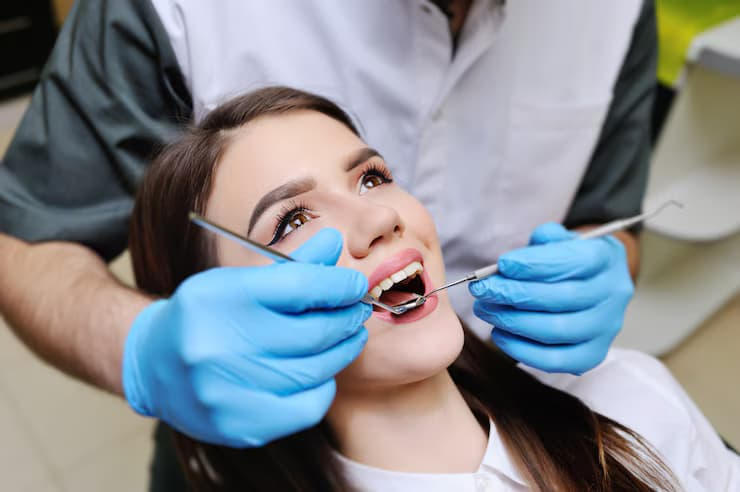
Dental cleaning prices can vary because the type of cleaning you need depends on your gum health, plaque and tartar buildup, inflammation, and risk of periodontal disease. In 2026, dentists are taking a more personalized approach to preventive care, so patients may need different levels of cleaning rather than receiving the same service at every visit.
For many years, dental cleanings felt simple. You booked an appointment, got your teeth cleaned, and paid a standard fee. In 2026, many patients are surprised to see that dental cleaning prices are no longer the same for everyone. Some cleanings cost more, while others stay basic. This change often leads to confusion, especially for patients who feel they take good care of their teeth.
The reason is not inflation alone. Dental care has shifted toward prevention based on personal risk. At Smiland Dental, we see this change as a positive step. It allows us to treat problems earlier and protect long-term oral health instead of reacting after damage has already happened.
Why Do Dental Cleaning Prices Vary From Patient to Patient?
In the past, most patients received the same type of cleaning, often called a routine or regular cleaning. Today, dentistry looks deeper. We now understand that gum disease, inflammation, and bone loss can start quietly, long before pain shows up.
In 2026, dental cleaning prices depend on what your mouth actually needs, not just how often you visit. Preventive dentistry is now risk-based, which means care is matched to your current oral health.
This approach helps:
- Catch gum problems early
- Prevent tooth loss
- Reduce the need for major treatments later
What Factors Affect Dental Cleaning Prices?
Risk-based care means your cleaning is planned after evaluating your gums, teeth, and inflammation levels. Two people may brush and floss daily, but their oral health risks can still be very different.
Factors we look at include:
- Gum pocket depth
- Bleeding or swelling
- Plaque and biofilm buildup
- Past history of gum disease
Because of this, dental cleaning prices can vary based on the time, tools, and care needed.
Does Biofilm Affect the Cost of a Dental Cleaning?
Biofilm is a sticky layer of bacteria that forms on teeth and gums. It is harder to remove than regular plaque and plays a big role in gum disease. In 2026, dental teams will focus more on identifying and managing biofilm early.
Biofilm detection helps us:
- See areas brushing misses
- Understand inflammation patterns
- Adjust cleaning methods
This added step improves results but may affect dental cleaning prices because it requires more detailed care.
Early Periodontal Staging Explained Simply
Gum disease does not happen overnight. It develops in stages. Early periodontal staging means identifying gum changes before they become severe.
Stages can include:
- Healthy gums
- Early inflammation
- Moderate gum disease
- Advanced periodontal issues
Patients in early stages may need more frequent or detailed cleanings. This does not mean something is “wrong,” but it does explain why dental cleaning prices differ from person to person.
Can Gum Inflammation Increase Dental Cleaning Costs?
Inflammation is one of the clearest signs of gum problems. Even without pain, inflamed gums can signal ongoing damage beneath the surface.
In 2026, cleanings focus on:
- Reducing inflammation
- Protecting bone levels
- Supporting gum healing
This may involve longer appointments or special techniques. While this can increase dental cleaning prices, it lowers the risk of future deep cleanings or surgery.
Routine Cleaning vs. Deep Cleaning
Understanding the difference between cleaning types helps explain pricing.
Routine Cleaning (Prophylaxis):
- For healthy gums
- Removes plaque and tartar above the gumline
- Usually, lower dental cleaning prices
Deep Cleaning (Scaling and Root Planing):
- For gum disease
- Cleans below the gumline
- Targets infection and inflammation
- Higher dental cleaning prices due to the time and skill involved
Both are preventive when done at the right time.
Gum Monitoring Is Now Part of Prevention
Gum monitoring used to be limited to occasional checks. In 2026, it is a key part of preventive care. Tracking changes over time helps us respond early.
Gum monitoring allows us to:
- Adjust cleaning frequency
- Spot problem areas early
- Prevent worsening disease
This personalized approach improves outcomes, even if dental cleaning prices vary.
Why Paying More Now Can Save You Later
Many patients worry when they see higher dental cleaning prices. What they often do not see is the cost of untreated gum disease. Advanced treatments are far more expensive than preventive care.
By investing in the right cleaning today, patients often avoid:
- Tooth loss
- Painful procedures
- Long recovery times
Prevention is still the most affordable form of dental care.
What to Ask About Dental Cleaning Prices
If you are unsure why your dental cleanings costs what they do, ask questions. Good dental care should always come with clear explanations.
Helpful questions include:
- What type of cleaning do I need?
- Are my gums healthy?
- How can I lower future dental cleaning prices?
We believe patients deserve transparency.
A Smarter Way to Protect Your Smile
Dental cleanings in 2026 are about more than polishing teeth. They are about protecting gums, bone, and overall health. At Smiland Dental, we tailor care to each patient because no two mouths are the same.
While dental cleaning prices may look different than before, the goal is simple: fewer problems, less discomfort, and healthier smiles for years to come. When cleanings are based on risk instead of routine, everyone benefits.
FAQs
Why do dental cleaning prices differ between patients?
Dental cleaning prices can vary because patients do not always need the same type or level of cleaning. A routine cleaning for healthy gums is different from periodontal treatment that requires cleaning below the gumline. The amount of buildup, gum health, appointment time, and treatment needed can all affect the price.
How do I know if I need a regular cleaning or a deep cleaning?
A dental professional can determine this by examining your gums and checking for signs such as bleeding, inflammation, gum pockets, and tartar below the gumline. A regular cleaning is generally intended for healthy gums, while scaling and root planing may be recommended when gum disease is present.
Does dental insurance usually cover the full cost of a cleaning?
Coverage depends on your dental insurance plan and the type of cleaning you receive. Preventive cleanings may have different coverage from periodontal treatments. Before your appointment, check your benefits or ask the dental office what your expected out-of-pocket cost will be.
Can paying more for a dental cleaning help prevent bigger dental bills later?
In some cases, timely periodontal care can help prevent gum disease from progressing and requiring more extensive treatment. However, the right cleaning is determined by your oral health rather than price. Regular examinations help identify problems early and guide the appropriate level of care.
What should I ask before agreeing to a higher-cost dental cleaning?
Ask what type of cleaning is being recommended, why you need it, whether gum disease is present, what the treatment includes, and what your estimated out-of-pocket cost will be. You can also ask whether follow-up visits or additional periodontal care may be needed.