$79 for exam, x-ray and Cleaning* Call Now - (954) 589-0292


What Causes Gum Disease in Adults? The 2026 Explanation Dentists Are Finally Giving

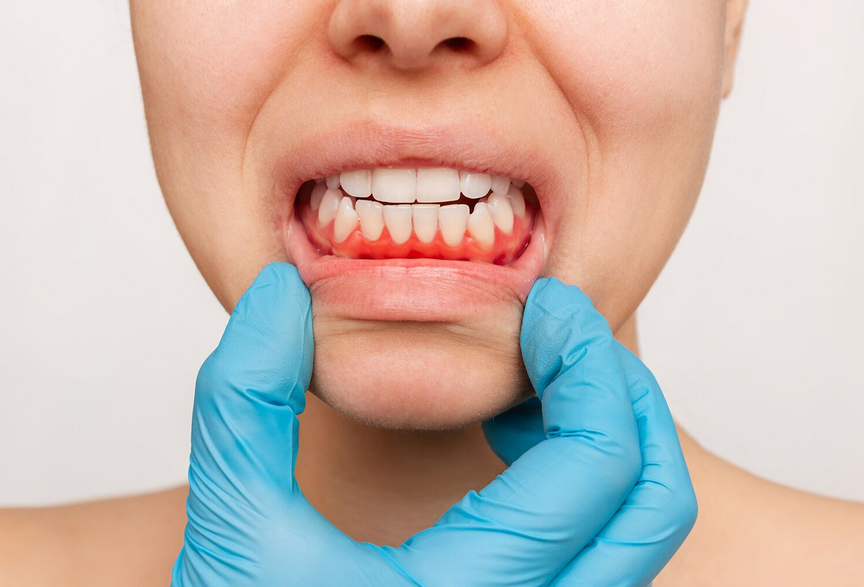
What causes gum disease? Gum disease is primarily caused by plaque and bacteria accumulating around and below the gumline, which triggers inflammation. Risk factors such as smoking, diabetes, genetics, hormonal changes, stress, dry mouth, certain medications, and inadequate oral hygiene can increase the risk or severity of gum disease.
Many adults are surprised when a dentist tells them they have gum disease. The most common response we hear is, “But I brush every day.” For years, gum disease was explained as a simple hygiene problem. In 2026, that explanation is no longer accurate or helpful.
Patients now want a deeper answer to what causes gum disease, especially when they feel they are doing everything right. At Smiland Dental, we spend a lot of time clearing up old myths and helping patients understand what is really happening beneath the surface.
The truth is, gum disease is often silent, gradual, and influenced by more than just brushing habits.
What Are the Main Causes of Gum Disease in Adults?
Brushing and flossing matter, but they are only part of the picture. Many adults with gum disease brush regularly, yet still develop inflammation and bone loss.
In 2026, dentists explain what causes gum disease using a broader view. Gum disease is not caused by one mistake. It develops when several factors come together over time.
These factors include:
- Bacterial buildup below the gumline
- Inflammation that goes unnoticed
- Changes in the body’s immune response
Understanding this helps patients stop blaming themselves and start focusing on prevention.
Silent Inflammation: The Biggest Hidden Problem
One of the main reasons gum disease goes undetected is silent inflammation. Gums can be inflamed without pain, swelling, or obvious signs.
Silent inflammation can:
- Damage bone slowly
- Create deep gum pockets
- Progress for years without discomfort
This is why many adults ask later, “How did this happen?” When we explain what causes gum disease, inflammation is always part of the conversation.
The Role of Stress and Overall Health
Stress does not just affect the mind. It affects the body’s ability to fight infection. In 2026, dentists talk openly about how stress and systemic health play a role in gum disease.
Stress can:
- Weaken immune response
- Increase inflammation
- Lead to clenching or grinding
Conditions such as diabetes and hormonal changes can affect gum health, while gum disease is also associated with certain broader health conditions.
Missed Early Warning Signs
Gum disease rarely starts suddenly. It develops in stages, and early signs are easy to miss.
Early warning signs include:
- Mild bleeding when brushing
- Slight gum tenderness
- Bad breath that does not go away
Because these signs seem small, many adults ignore them. By the time pain appears, gum disease may already be advanced. Recognizing these early clues is key to understanding what causes gum disease and stopping it early.
Bacteria Below the Gumline
Most people focus on cleaning the visible part of their teeth. Gum disease starts below the gumline, where bacteria are harder to reach.
When bacteria settle under the gums:
- The body reacts with inflammation
- Gums pull away from teeth
- Bone support slowly weakens
This process explains what causes gum disease even when teeth look clean on the surface.
Why Gum Disease Is More Common in Adults
As we age, our gums and bones change. Healing slows down, and the body’s response to bacteria becomes less efficient.
Adult-specific factors include:
- Past dental work that traps bacteria
- Dry mouth from medications
- Reduced gum attachment strength
These changes increase risk, even for patients who have never had gum problems before. This is why gum disease often appears later in life.
The Importance of Periodontal Exams
Periodontal exams are no longer optional in adult dentistry. They are essential for identifying gum disease early.
During these exams, we check:
- Gum pocket depth
- Bleeding points
- Bone support levels
These measurements tell us how healthy your gums really are. Without them, it is easy to miss the early stages of disease. Periodontal exams help us explain what causes gum disease in a clear and measurable way.
Maintenance Programs: Prevention, Not Punishment
Many patients feel discouraged when told they need periodontal maintenance. In reality, these programs are designed to protect long-term health.
Maintenance programs focus on:
- Controlling bacteria
- Reducing inflammation
- Monitoring changes over time
They are not a sign of failure. They are a response to how gum disease works. Proper maintenance helps stop the cycle that explains what causes gum disease in the first place.
Why Gum Disease Is Not Just a Mouth Problem
In 2026, dentists also discussed how gum disease affects overall health. Chronic inflammation in the mouth can impact other parts of the body.
Research continues to link gum disease with:
- Heart health concerns
- Blood sugar control
- Chronic inflammation
This is another reason understanding what causes gum disease is so important. Treating gums helps protect more than just your smile.
A Smarter Way to Think About Gum Health
Gum disease is not about blame. It is about biology, inflammation, and timing. When patients understand what causes gum disease, they feel more empowered and less confused.
At Smiland Dental, we focus on education, early detection, and personalized care. Our goal is to catch problems before they become serious and to help adults protect their gums for life.
Gum disease does not start overnight, and it does not have to progress. With the right knowledge and care, it can be managed, and often prevented, well before it causes lasting damage.
FAQs
What are the main causes of gum disease in adults?
Gum disease develops when bacteria and plaque build up around and below the gumline, triggering inflammation. Other factors, including smoking, diabetes, hormonal changes, stress, dry mouth, certain medications, and genetics, can increase the risk.
Can you get gum disease even if you brush and floss every day?
Yes. Good brushing and flossing reduce the risk, but they cannot eliminate every factor involved. Bacteria can collect in areas that are difficult to clean, while health conditions, medications, smoking, and changes in the immune response can also affect gum health.
What are the early signs of gum disease?
Early signs can include bleeding when brushing or flossing, red or tender gums, persistent bad breath, and changes in how the gums look or fit around the teeth. Gum disease can also develop without noticeable symptoms, which is why regular dental and periodontal exams matter.
Can stress cause gum disease?
Stress can contribute to gum disease by affecting immune function and inflammation. It may also lead to habits such as clenching, grinding, or neglecting oral hygiene. Stress alone does not necessarily cause gum disease, but it can increase risk when combined with other factors.
Can gum disease be prevented in adults?
Many cases of gum disease can be prevented or managed with consistent brushing, flossing, professional cleanings, regular periodontal exams, and treatment of risk factors. Early detection is especially important because gum disease can progress without causing significant pain.