$79 for exam, x-ray and Cleaning* Call Now - (954) 589-0292


Is Dental Implant Safe for Aging Adults in Fort Lauderdale? 2026 Safety Standards Explained


As people live longer and stay active later in life, dental care has changed with them. Many adults in their 50s, 60s, and beyond are now exploring tooth replacement options that support comfort, confidence, and independence. This naturally leads to an important question: Is dental implant safe for aging adults?
In 2026, that question will have a clearer answer than ever before. Dental implants are no longer viewed only as a cosmetic fix. They are now part of what dentists call aging-in-place dentistry, care designed to support long-term oral stability as the body changes over time. At Smiland Dental, we focus on safety-first planning that respects each patient’s health, lifestyle, and future needs.
Why Dental Implant Safety Matters More With Age
As we age, our bodies heal differently. Bone density can change, medical conditions become more common, and medications may affect oral health. These factors make safety a top priority.
When patients ask, “Is dental implant safe?”, they are often concerned about:
- Healing time
- Medical conditions
- Long-term comfort
- Risk of complications
Modern implant dentistry addresses these concerns through careful planning and coordination.
Dental Implants and Aging-in-Place Dentistry
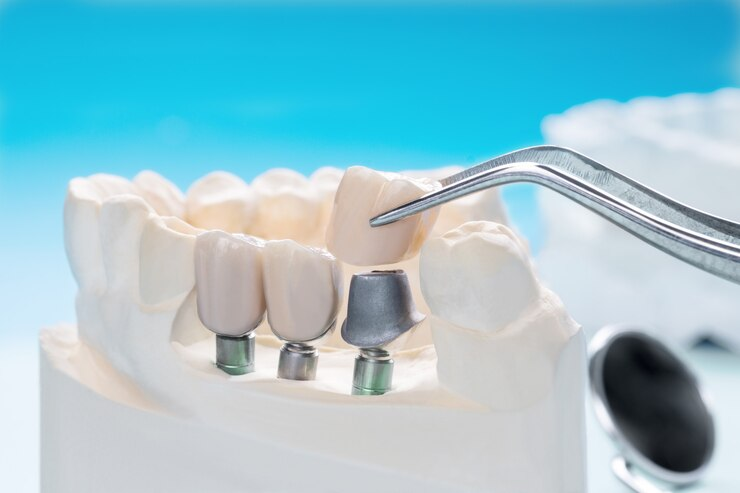
Aging-in-place dentistry means planning dental care that supports you for many years, not just the present moment. Dental implant play a key role because they help preserve the jawbone and maintain chewing function.
Unlike removable dentures, implants:
- Stay stable over time
- Support natural speech and eating
- Reduce bone loss in the jaw
This stability helps aging adults maintain independence. When placed correctly, implants support daily comfort well into later years. This is one reason the answer to “Is dental implant safe?” is often yes for older adults.
Bone Preservation: A Major Safety Advantage
One of the biggest concerns for aging adults is bone loss. When a tooth is missing, the jawbone in that area slowly shrinks. Dentures and bridges do not stop this process.
Dental implants help by:
- Stimulating the jawbone
- Reducing bone shrinkage
- Supporting facial structure
In 2026, preserving bone is seen as a health benefit, not just a cosmetic one. Bone preservation improves long-term oral stability, making implants a safer option for many seniors.
Medical History Coordination Is Now Standard
Older adults often manage conditions like diabetes, heart disease, or osteoporosis. In the past, these conditions were sometimes seen as barriers to implant treatment. Today, they are part of the planning process.
Before treatment, we review:
- Medical history
- Current medications
- Healing capacity
- Overall health risks
Coordinating dental care with medical considerations allows us to answer “Is dental implant safe” on an individual level, not with a one-size-fits-all response.
Safer Planning and Imaging in 2026
Technology has improved implant safety significantly. Advanced imaging allows us to see bone structure, nerves, and sinuses in detail before surgery begins.
This helps us:
- Choose the safest implant position
- Avoid sensitive areas
- Plan surgery with precision
Better planning reduces surgical risks and improves comfort during recovery. These improvements are especially important for aging adults.
Long-Term Oral Stability Matters More Than Speed
Many patients worry about how long implant treatment takes. In 2026, dentists focus less on speed and more on stability.
For aging adults, a slower, staged approach may be safer because it:
- Allows the bone to heal properly
- Reduces stress on the body
- Improves long-term success
Choosing the right timeline is part of answering “Is dental implant safe” for each individual.
Healing Expectations for Older Adults
Healing varies from person to person, regardless of age. Many older adults heal just as well as younger patients when treatment is planned correctly.
Safety during healing depends on:
- Proper implant placement
- Following post-care instructions
- Monitoring progress over time
With modern techniques, discomfort is usually mild, and recovery is manageable. Clear guidance helps patients feel confident throughout the process.
Dental Implants vs. Other Tooth Replacement Options
Some aging adults compare implants with dentures or bridges. While each option has benefits, implants often provide better long-term stability.
Dentures may:
- Shift during eating
- Contribute to bone loss
- Require frequent adjustments
Implants offer a fixed solution that feels more natural. For many patients, this makes implants a safer long-term choice when asking “is dental implant safe” for later life.
Why Ongoing Care Is Part of Safety
Implant safety does not end after surgery. Regular checkups and cleanings are essential for keeping implants healthy.
Ongoing care helps:
- Monitor gum health
- Detect issues early
- Protect surrounding teeth
This maintenance supports implants for many years and reduces future complications.
Making an Informed Decision
Dental implants are not just about replacing a tooth. They are about supporting health, comfort, and confidence as you age. In 2026, implant safety standards focus on planning, coordination, and long-term stability.
At Smiland Dental, we take time to explain options clearly and answer concerns honestly. When patients ask, “Is dental implant safe?”, our goal is to provide reassurance through education, not pressure.
With modern safety standards and personalized care, dental implants can be a reliable and secure option for aging adults in Fort Lauderdale, helping them maintain a strong, functional smile for years to come.