$79 for exam, x-ray and Cleaning* Call Now - (954) 589-0292


Can ChatGPT Tell You If You Have a Cavity? Where AI Dental Advice Stops


A dark spot on a tooth can send you to ChatGPT. So can a twinge when you drink something cold. The answer can sound convincing when a chatbot explains possible causes in plain English. But there’s a gap between useful information and a dental diagnosis.
A 2026 study tested ChatGPT on 40 tooth images and compared its answers with clinical dental examinations. ChatGPT identified some cavities, but its results were less accurate than professional teledentistry assessment. That matters if you’re deciding whether a mark can wait. For patients searching for AI dental advice, knowing that boundary can prevent guesswork.
What ChatGPT Can Actually Help You Figure Out
ChatGPT can be useful at the beginning. You can describe sensitivity, a rough spot, a broken edge, or a change you noticed while brushing, then ask what kinds of dental problems might cause it. It can also explain unfamiliar words from a dental report in simpler language. That’s useful.
The problem starts when a possibility gets treated like a diagnosis. A chatbot works from the information you give it. It cannot tap a tooth, test its response to temperature, check your bite, measure a gum pocket, or decide whether an X-ray is needed. Those missing pieces can change the answer.
For AI dental advice to be useful, it has to stay within that boundary. It can help you understand a concern, but it shouldn’t replace a professional dental diagnosis.
Why a Photo Doesn’t Tell the Whole Story
A phone photo can show something obvious, such as a visible chip or dark area. It can’t reliably show everything happening inside or between teeth. A cavity may be hidden in a contact area, underneath a restoration, or somewhere difficult to photograph clearly. Lighting can change how a tooth looks, too.
The 2026 BMC Oral Health study used 40 standardized tooth images and found ChatGPT had 72.5% overall accuracy, compared with 87.5% for teledentistry assessment. The study was small, so those figures aren’t a universal score. Still, they show why a picture alone has real limits for dental diagnosis.
A Dentist Checks Things AI Cannot
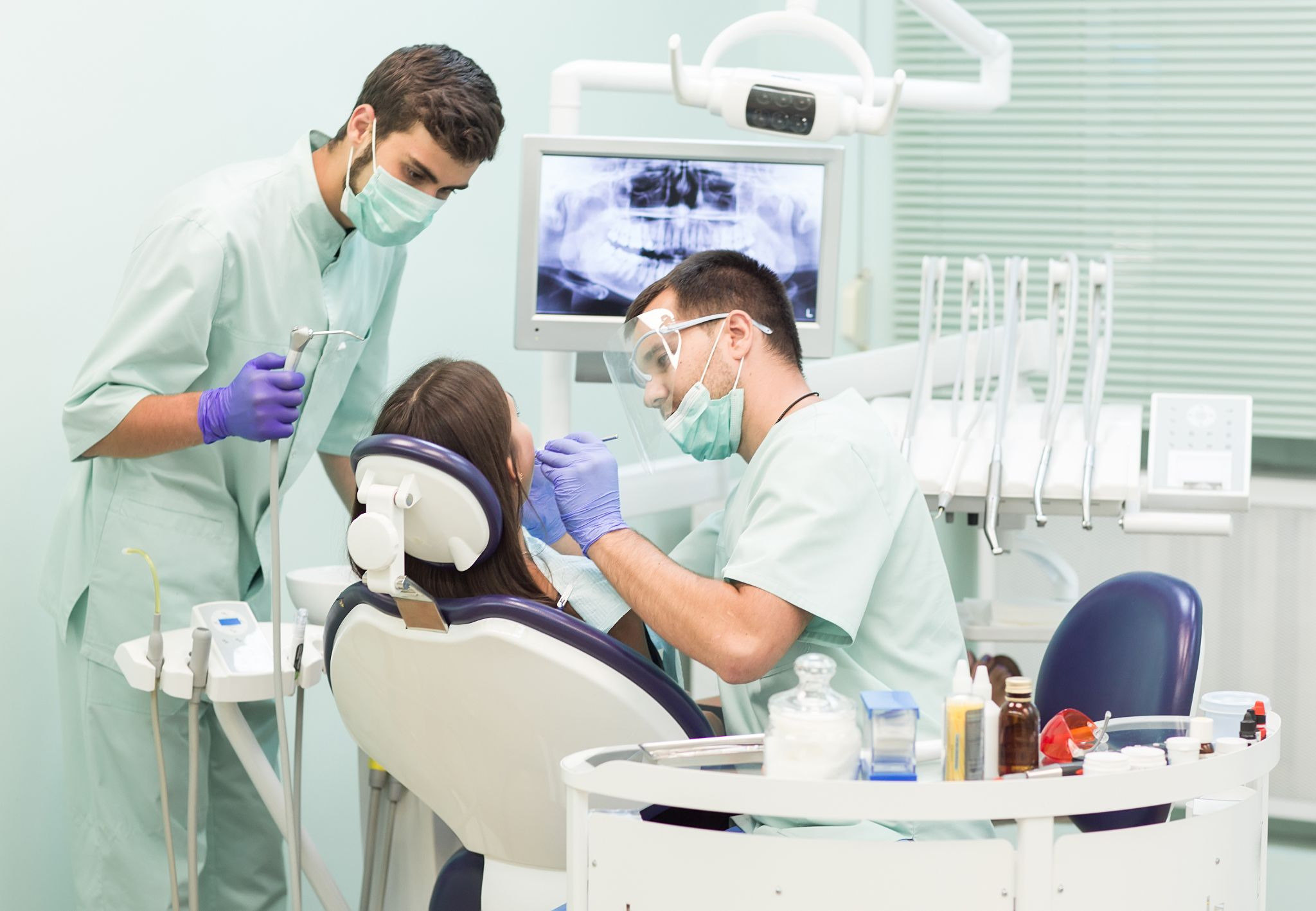
When we examine a patient at Smiland Dental, the conversation is part of your appointment. Our assessment combines what you feel, what we see, and what diagnostic tools show. A cavity question may involve checking the tooth, looking at nearby surfaces, and taking digital X-rays when appropriate.
Our Fort Lauderdale general dentistry service also includes visual exams and oral cancer screenings. That wider view matters because two teeth can look similar in a photo while needing different care. If you’re looking for AI dental advice, the question isn’t whether AI can replace an exam. It’s what needs checking.
When an AI Answer Should Make You Book an Appointment
An AI answer is a starting point when a symptom returns, changes, or comes with swelling, bleeding, sensitivity, a broken tooth, or pain. The same goes for an unexplained spot. You don’t need to wait until the problem becomes severe before asking a dental professional.
We’d rather have a patient ask about a concern than monitor it indefinitely from a screen. At Smiland Dental, we use examinations and digital imaging when needed to work out what’s happening. If you’re using AI dental advice, bring the question with you. You don’t need to bring an AI answer.
Dentists Are Using AI Too, But There’s a Line
There’s a middle ground. AI can help you prepare questions, understand dental terms, or organise what you’ve noticed. Dentists are using AI, too. The American Dental Association reported in July 2026 that 43.3% of surveyed U.S. dentists were using AI for at least one task, while 22.8% reported using it for imaging and diagnostics.
That doesn’t mean a chatbot should make your treatment decision. The ADA points to standards for evaluating AI systems used, including safety, efficacy, transparency, and fairness. Used carefully, AI dental advice can help you ask better questions. It should not become the authority on your teeth.
Your Symptoms Have Context That a Chatbot May Miss
There’s another limit that’s easy to miss: context. A chatbot may know that a tooth hurts when you drink something cold, but it doesn’t know whether that tooth had a filling last year, whether another tooth hurts when you chew, or whether your symptoms started after an injury.
Those details can change what a dental professional chooses to investigate during an exam. If you use AI before an appointment, write down what you noticed and when it started. Bring that information with you to the appointment. It can make the conversation more useful without turning the chatbot into your diagnostician.
Final Thought
If ChatGPT says a tooth “looks like a cavity,” don’t panic. If it says everything looks fine, don’t assume you’re cleared. Both depend on limited information. A dental examination adds information a chatbot cannot collect from a screen, especially when a finding is hidden.
At Smiland Dental, we want patients to understand what they’re told and why a test may be recommended. That’s a better use of AI dental advice: let it help you get oriented, then let a dental professional examine the tooth. If you’re considering AI dental advice, start with the question that brought you here.