$79 for exam, x-ray and Cleaning* Call Now - (954) 589-0292


Taking Ozempic or Zepbound? What Your Dentist Should Know About Your Oral Health

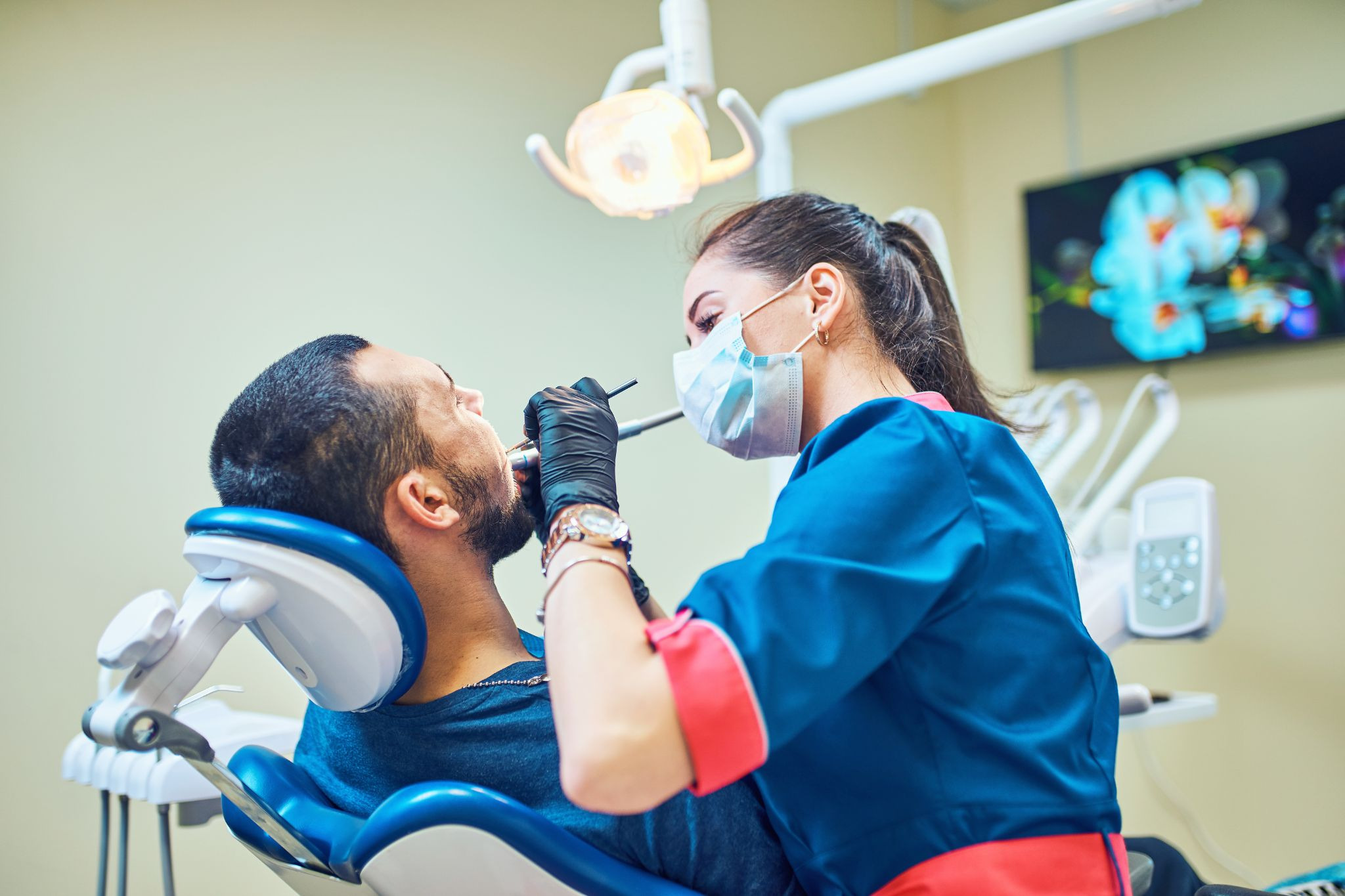
Starting Ozempic or Zepbound can change your daily routine in ways you may notice before you think about your teeth. You might eat less, drink less, feel nauseated, or notice that your mouth feels unusually dry. None of that automatically means the medication is harming your teeth.
Still, these changes can affect the conditions inside your mouth, especially when they persist. Research into oral health and GLP-1 medications is still developing, so sweeping claims are premature. For people receiving dental care, the useful question is simpler: what has changed, and what should your dental team know about it?
Dry Mouth May Be the Part You Notice First
Saliva is easy to overlook until there isn’t enough of it. It helps keep the mouth moist, clears food debris, and helps neutralize acids. The American Dental Association lists GLP-1 receptor agonists among medications that can be associated with dry mouth.
You might notice a sticky feeling, thicker saliva, difficulty eating dry foods, or a stronger need to sip water. Persistent dryness deserves attention because a mouth with less saliva can be more vulnerable to tooth decay and discomfort.
During dental visits, tell us if this started after a medication change. That timing is useful information when considering oral health and GLP-1 medications.
Nausea Can Matter for Your Teeth, Too
GLP-1 medicines can cause gastrointestinal side effects, including nausea and vomiting. If vomiting happens repeatedly, stomach acid can come into contact with your teeth and contribute to enamel erosion. That doesn’t mean one unpleasant episode will damage your smile. Frequency and exposure matter.
If vomiting has become a regular problem, tell the healthcare professional managing your medication and mention it at your dental appointment.
At Smiland Dental, we can look for changes in the tooth surface while your medical provider addresses the medication side. Neither side needs to guess what the other already knows.
Eating Less Can Change Your Routine
Reduced appetite can change when and what you eat. Some people may snack less often. Others may rely on foods that feel easier to tolerate during periods of nausea. Fluid intake can change too, particularly if you’re simply less interested in drinking.
These shifts don’t automatically create a dental problem, but they can alter your mouth’s usual environment. That’s why a medication history can be surprisingly helpful during oral health and GLP-1 medications. We’re interested in the pattern, not just the symptom.
A dry mouth that appeared after starting medication tells us something a routine checklist may miss.
Bad Breath or an Unusual Taste Deserves Context
Changes in taste or breath can have plenty of explanations. Dry mouth is one possibility. So are dietary changes, vomiting, oral hygiene changes, gum problems, or another medication.
A 2026 review discussing semaglutide and oral health identified dry mouth, bad breath, and altered taste among possible oral concerns, while also pointing out that the available evidence is still limited. That distinction matters.
At Smiland Dental, we wouldn’t look at one symptom and automatically blame Ozempic or Zepbound. We’d consider what else changed and examine the mouth before deciding what needs attention.
What Should You Tell Your Dentist?
Bring the medication name and tell your dentist when you started it. You don’t need to arrive with a long report. Mention anything noticeably different, such as persistent dryness, repeated vomiting, new sensitivity, an unusual taste, or changes in eating and drinking. Also tell your dental team if your dose has changed.
These details can help put an oral finding into context. If you’re arranging dental care, this is worth mentioning even when the appointment is for something completely different. Understanding oral health and GLP-1 medications can help your dental team consider the wider context rather than focusing on one symptom in isolation.
And don’t stop a prescribed medication because of a dental concern without speaking with the clinician who manages it.
What We Know, and What We Don’t
This is where some online discussion gets ahead of the evidence. Current research does not justify telling every person taking a GLP-1 medication that their teeth are going to suffer.
A 2026 review found emerging research on oral health and GLP-1 medications, including questions about periodontal health, while other recent work has pointed to possible oral effects that need more study.
The evidence is developing. At Smiland Dental, our role is to pay attention to what is actually happening in your mouth rather than attach every new symptom to a medication. Dental visits can provide that ongoing clinical view when something changes.
Final Thought
If your mouth has felt different since starting Ozempic, Zepbound, Wegovy, or another GLP-1 medicine, mention it. You don’t need to decide whether the medication is responsible before you do. Your medical provider can address medication side effects, while your dental team can check for changes that may need attention.
At Smiland Dental, we want the medication history and the oral findings to make sense together. That makes the conversation more useful and avoids turning a developing area of research into a scary headline. When considering oral health and GLP-1 medications, sometimes the most helpful thing you can do is simply mention what changed.