$79 for exam, x-ray and Cleaning* Call Now - (954) 589-0292


Does This Count as a Dental Emergency? 7 Problems Fort Lauderdale Patients Shouldn’t Guess About

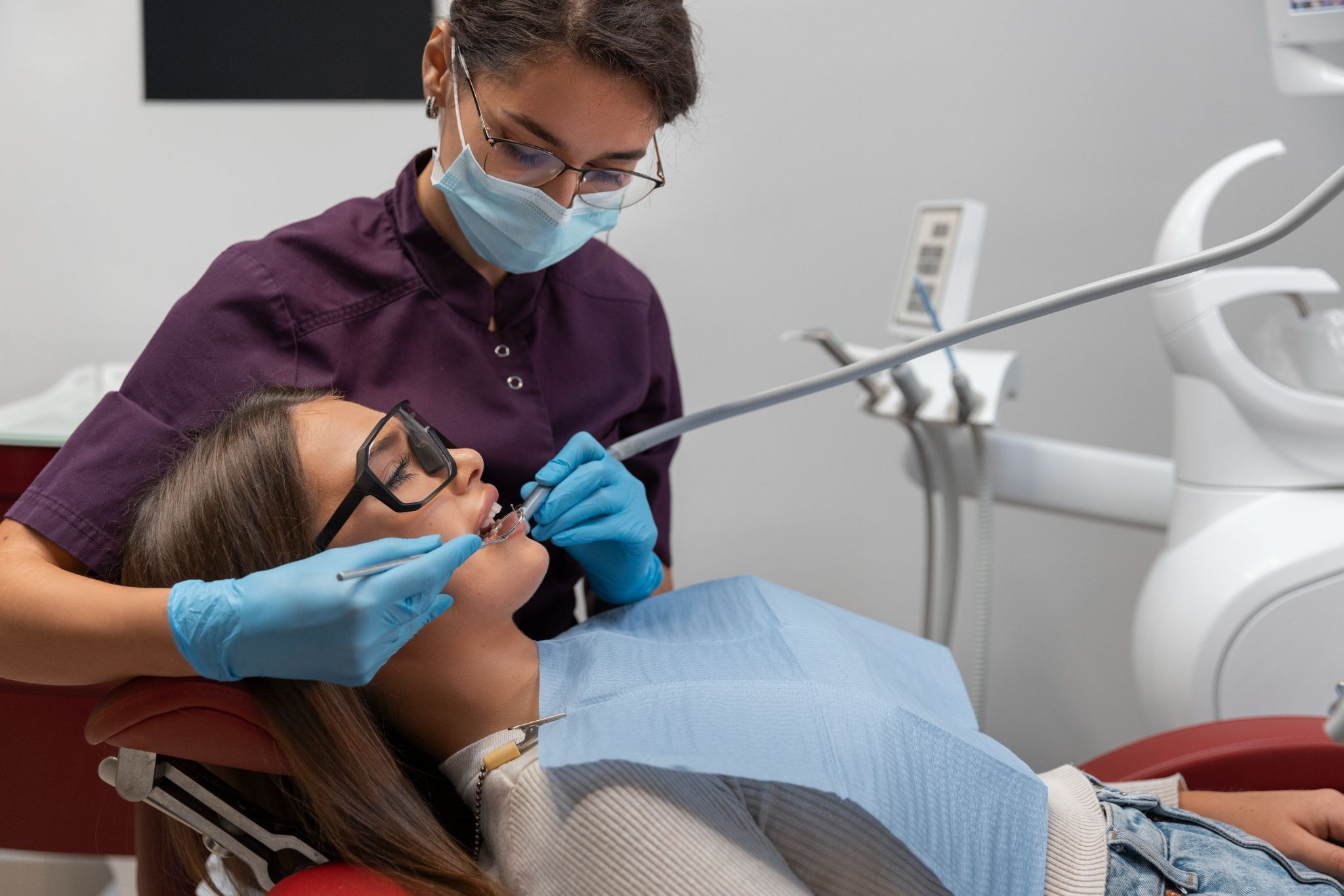
Not every sudden dental problem needs a trip to the emergency room, but that doesn’t mean you should ignore it. The tricky part is knowing where the line is. A little discomfort may be manageable until your dentist opens. Facial swelling, uncontrolled bleeding or an injury that affects your ability to breathe or swallow is a different situation.
The American Dental Association separates dental emergencies from urgent problems and routine concerns based on factors such as bleeding, infection, trauma and the risk of serious complications. If you’re unsure what you’re dealing with, contacting an emergency dentist in Fort Lauderdale can help you decide what needs attention now and what can safely wait.
1. Your Face or Mouth Is Swelling Quickly
Swelling deserves more attention when it appears suddenly, spreads, or becomes noticeably worse over a short period. A swollen cheek can sometimes accompany a dental infection. Swelling around the gums may also occur with an abscess or another infection that needs dental treatment.
The concern becomes greater when swelling moves into the face or neck or starts affecting swallowing or breathing. Don’t try to judge the seriousness by how much pain you’re feeling. Some infections can produce significant swelling without severe pain.
If swelling is affecting your airway or making it difficult to breathe, seek emergency medical care immediately. For dental swelling that isn’t affecting breathing but is getting worse, contact an emergency dentist in Fort Lauderdale promptly.
2. Bleeding Won’t Stop
A small amount of bleeding after brushing or flossing isn’t usually a dental emergency. Bleeding that continues and cannot be controlled is different. Persistent bleeding can happen after dental surgery, an injury to the mouth or significant trauma. It may also need urgent attention when the source isn’t obvious.
The key question isn’t simply, “Am I bleeding?” It’s whether the bleeding can be brought under control. If firm pressure isn’t stopping substantial bleeding, don’t spend hours trying different household remedies.
Contact a dental professional or seek emergency medical care when the bleeding is severe or accompanied by other concerning symptoms. This is one situation where waiting to see whether it settles down can create unnecessary risk.
3. A Dental Injury Has Changed How Your Mouth Works
A blow to the face can do more than chip a tooth. After an accident, pay attention to changes in your bite, jaw movement, tooth position or the ability to open and close your mouth normally. A tooth may look reasonably intact while surrounding structures have still been injured. This is especially relevant after falls, sports injuries, car accidents or a direct impact to the jaw.
An emergency dentist in Fort Lauderdale can assess the dental side of an injury, while suspected facial fractures or serious head and neck trauma may require hospital care. Don’t assume that the absence of a visible crack means everything is fine.
4. You Have Signs That an Infection May Be Spreading
A dental infection isn’t something to diagnose from symptoms alone, but certain changes should make you act sooner.
Watch for a combination of dental symptoms with signs such as:
- Increasing swelling around the mouth or face
- Fever or feeling generally unwell
- Worsening pain or pressure
- Difficulty swallowing
- Swelling that continues to spread
The ADA notes that dental infections with systemic involvement, including fever or malaise, can require antibiotics alongside appropriate dental treatment. Antibiotics aren’t a substitute for treating the dental source of an infection. If these symptoms are developing, call your dental office rather than waiting for a routine appointment.
5. A Dental Appliance or Restoration Is Causing an Injury
A lost crown or filling may not always require emergency treatment. The situation changes when the exposed area is causing significant pain, the restoration has created a sharp edge or an appliance is cutting into your cheek or gum. The same applies to orthodontic wires or other dental appliances that are causing tissue injury.
You don’t necessarily need a hospital emergency department for these problems but you shouldn’t simply ignore ongoing irritation either. A dentist can determine whether the restoration needs temporary protection, adjustment, repair or another form of treatment.
Call an emergency dentist in Fort Lauderdale and explain exactly what happened. The details can help the office determine how quickly you should be seen.
6. Pain Suddenly Becomes Severe or Changes Character
Pain alone doesn’t always tell you whether something is an emergency. A mild ache that has stayed unchanged for several days is different from pain that suddenly becomes severe, keeps escalating, or comes with swelling or other new symptoms. The same applies when pain returns after dental treatment and feels significantly different from what you were told to expect.
The ADA’s current guidance recognises acute dental pain as something that may need prompt assessment and definitive dental treatment rather than simply being managed indefinitely at home. If your pain has changed noticeably, tell the dental office what changed, when it started, and whether you have swelling, fever, trauma or difficulty eating.
7. You Don’t Know If an Injury Is Serious
Sometimes the problem is simply uncertainty. You may have bitten down on something hard and now notice a strange sensation. You may have taken a hit to the mouth but can’t tell whether a tooth moved.
Perhaps a restoration came loose and you’re unsure whether the tooth underneath is damaged. You don’t need to diagnose the problem before calling. That’s one reason emergency dental services exist. A dental team can ask about the symptoms, timing, injury and changes you’ve noticed and help determine the appropriate next step.
At Smiland Dental, we welcome emergency appointments and reserve same-day appointments for dental emergencies.
What Should You Do If You’re Still Unsure?
Use the symptoms as a guide but don’t try to assign yourself a diagnosis.
A useful approach is to ask:
- Is there uncontrolled bleeding?
- Is swelling getting worse or spreading?
- Am I having trouble breathing or swallowing?
- Was there significant trauma?
- Do I have signs of infection or feel generally unwell?
- Has pain suddenly become severe or changed after treatment?
- Is a dental appliance or restoration actively injuring my mouth?
If the answer to any of these raises concern, call your dentist and explain what’s happening.
If you have difficulty breathing, significant facial trauma, or another potentially life-threatening problem, seek emergency medical care rather than waiting for a dental appointment. The ADA advises patients with life-threatening emergencies to contact 911 or go to the nearest emergency department.
Final Thought
The hardest part of a dental emergency is often the uncertainty that comes before the appointment. You don’t need to know whether you’re dealing with an abscess, fracture, infection, or another condition before asking for help.
An emergency dentist in Fort Lauderdale can assess the dental problem and tell you what needs to happen next. When symptoms involve uncontrolled bleeding, spreading swelling, serious trauma, breathing difficulty or signs of systemic illness, waiting for the problem to explain itself isn’t a good plan. When in doubt, make the call. Getting the right level of care starts with knowing when not to guess.