$79 for exam, x-ray and Cleaning* Call Now - (954) 589-0292


Should You Get a Second Dental Opinion? 5 Situations When Another Evaluation Can Help

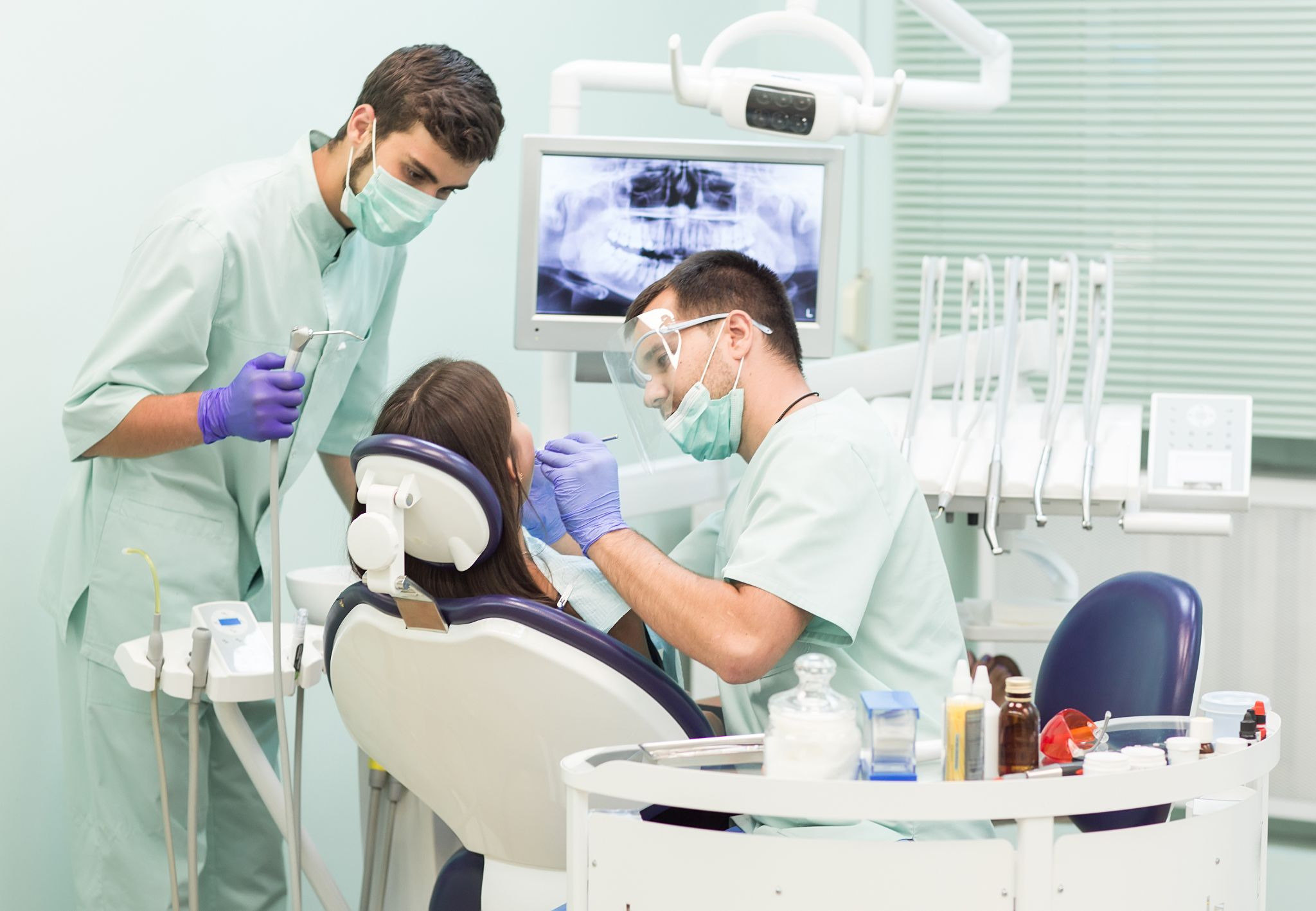
Being told you need dental treatment can leave you with more questions than answers. Maybe the procedure sounds unfamiliar. Maybe you’re dealing with several treatment options, or the recommendation came after a short appointment. Getting another opinion doesn’t automatically mean the first dentist was wrong. Sometimes, it’s simply a way to understand your options before making a decision.
A second dental opinion can be particularly useful when treatment is extensive, irreversible, expensive, or difficult to understand. If you’re considering a second dental opinion because you want another perspective, start with the information you already have. Your X-rays, treatment notes, proposed procedure, and questions can give the next dentist a much clearer picture of what you’re trying to decide.
1. You’re Being Offered Several Treatment Options
Some dental problems have more than one reasonable treatment path. The options may differ in how much tooth structure is involved, how long treatment takes, how much maintenance is expected, or how permanent the result is.
When you’re presented with several choices, a second dental opinion can help you understand why one approach was recommended over another. That doesn’t mean you’re looking for someone to simply approve the option you prefer. The useful question is, “What are the benefits and limitations of each option in my situation?”
At Smiland Dental, we believe patients should understand what a proposed treatment involves before deciding how they want to proceed.
2. The Recommended Treatment Is Extensive or Irreversible
Some procedures permanently change a tooth or involve several stages of treatment. When the recommendation is extensive, taking additional time to understand the diagnosis can be reasonable.
A second dentist may review your existing records, examine your teeth and gums, and discuss whether there are alternative approaches worth considering. This can be particularly helpful when you’re being asked to make a significant treatment decision after having little time to process the information.
You don’t need to approach the second appointment as a contest between two dentists. Think of it as another clinical evaluation. The goal is to understand the reasoning behind the recommendation and what each option would mean for you.
3. You Don’t Understand Why the Treatment Is Needed
You shouldn’t have to agree to treatment you don’t understand. If you’re unsure what condition the dentist found, what could happen without treatment, or why a particular procedure was recommended, asking for clarification should come first. Sometimes your existing dentist can answer those questions during a follow-up appointment.
If you’re still uncertain, a second dental opinion may give you a different explanation of the same findings. When seeking another evaluation, bring your questions with you. Ask the dentist to explain what they see, what they think is happening, and which findings support their recommendation. Clear communication matters just as much as the treatment plan.
4. The Diagnosis Doesn’t Match What You’re Experiencing
Symptoms don’t always point to one obvious dental problem. Pain, sensitivity, pressure, changes in your bite, or discomfort when chewing can have different possible causes. If your symptoms continue but the explanation you’ve received doesn’t seem to fit what you’re experiencing, another evaluation may be worth considering.
Bring a timeline of what you’ve noticed. Include when the problem started, what makes it better or worse, and whether anything has changed since your first appointment. The second dentist shouldn’t simply hear your preferred diagnosis and work backward from it. They should assess the available evidence and explain whether their findings support the original recommendation or suggest another possibility.
5. You’re Being Asked to Make a Decision Quickly
Dental treatment can sometimes require prompt attention, particularly when infection, trauma, or significant pain is involved. Other decisions may allow more time for questions and consideration.
If you’re being encouraged to make a major treatment decision immediately and you don’t understand why the timing matters, ask. A useful question is: “What happens if I wait a short time before deciding?”
The answer may reveal whether you’re dealing with something that genuinely needs prompt treatment or whether you have time to review your options.
If there’s enough time to seek a second dental opinion, doing so can give you more information without delaying necessary care. If waiting carries a meaningful risk, your dentist should be able to explain that clearly.
What Should You Bring to a Second Opinion?
You don’t need to start from scratch. Ask your current dental office for copies of records that can help the next dentist understand the situation.
Depending on your case, that may include:
- Recent dental X-rays or other imaging
- A written treatment plan
- Relevant clinical notes
- A list of medications and allergies
- Information about previous dental treatment
- Your insurance information, if you’re discussing covered care
You should also bring a short list of questions. Writing them down beforehand can help when the appointment becomes more detailed than you expected. At Smiland Dental, we encourage patients to ask questions about diagnosis, treatment choices, expected outcomes, and what happens if treatment is postponed.
What Should You Ask the Second Dentist?
The second appointment should give you more clarity, not simply another list of procedures.
Try asking:
What do you see?
This gives the dentist a chance to explain the clinical findings in plain language.
What treatment would you recommend, and why?
The reasoning behind a recommendation can be just as important as the procedure itself.
Are there other reasonable options?
This can help you understand whether you’re choosing between several approaches or whether one option is strongly indicated.
What happens if I don’t treat it right away?
This helps establish the urgency of the situation.
Do you agree with the original diagnosis?
If the opinions differ, ask both dentists to explain what evidence led them to their conclusions.
A Second Opinion Isn’t About Picking a Winner
If two dentists give you different recommendations, don’t automatically assume one must be careless or wrong. Clinical decisions can depend on examination findings, imaging, your dental history, treatment goals, and the condition of the tooth or surrounding tissues. Different approaches can sometimes be reasonable.
If you’re considering a second dental opinion, the most useful outcome isn’t simply hearing what you hoped to hear. It’s leaving with a clearer understanding of the diagnosis, available choices, risks, and timing.
If the recommendations differ significantly, you can also ask whether a specialist evaluation would provide additional information.
Final Thought
A second dental opinion can be useful when you’re facing a major treatment decision, don’t understand the diagnosis, have several possible approaches, or aren’t sure how urgently you need care. You don’t need to distrust your first dentist to ask for another perspective. You also don’t need to collect opinions from several practices for every minor dental concern.
Start with the decision in front of you. Gather your records, write down your questions, and ask for an explanation you can actually understand. If you decide to get another evaluation, bring that same information with you so the second appointment can focus on your specific situation.